Canada’s booze bans led to 63 per cent fall in exports: U.S. industry body
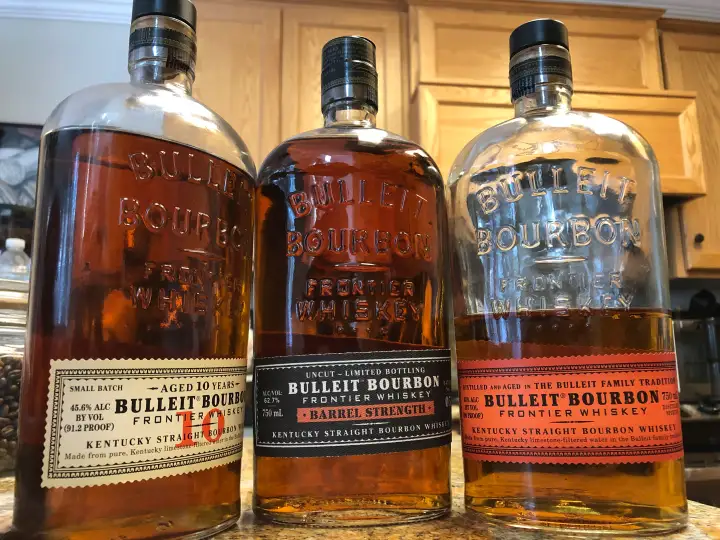
Canada’s provincial bans on U.S. booze led to a 63 per cent decline in U.S. alcohol exports to Canada last year, an industry body told the Trump administration on Wednesday, adding that the “trade friction” is causing job losses in the industry.
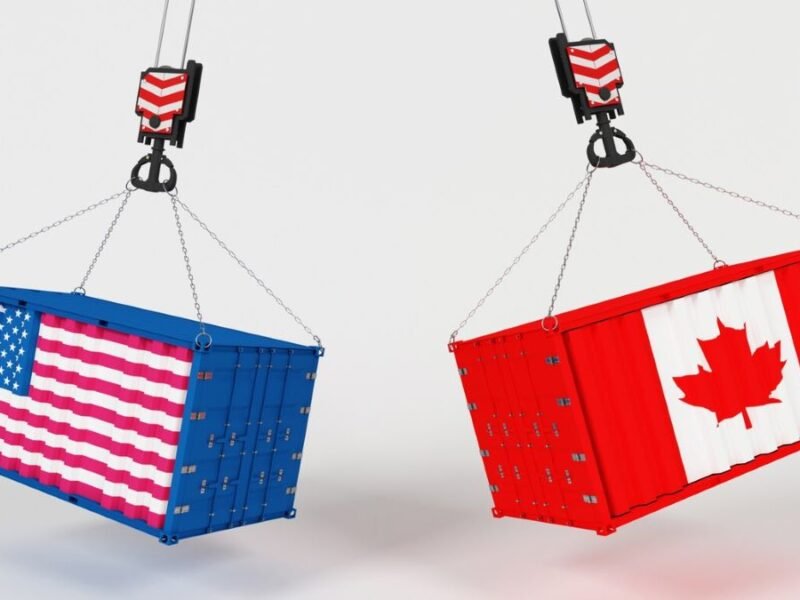
U.S. President Donald Trump’s tariffs have prompted retaliatory action, particularly from the European Union and Canada, which has hurt the U.S. alcohol industry, said Chris Swonger, president and CEO of the Distilled Spirits Council of the United States.
“Even the threat of tariffs creates uncertainty, negatively impacting exports,” Swonger told the Section 301 Committee, an interagency body under the Office of the United States Trade Representative (USTR).
Currently, all but two provinces — Alberta and Saskatchewan — have bans on the sale of U.S. booze. That has hurt U.S. alcohol exports to Canada, which declined by 63 per cent in 2025, Swonger said.
The “ongoing trade frictions” have meant that U.S. distilleries lost 3.5 per cent of their workforce, nearly 1,000 jobs, from September 2024 to September 2025, Swonger told the committee.
Speaking to reporters last month, Prime Minister Mark Carney said the U.S. side had expressed concern over “provincial actions, with respect to alcohol on the shelves.”
These are “trade irritants” for the American side as negotiations in the renewal of the Canada-U.S.-Mexico Free Trade Agreement (CUSMA) near.
.