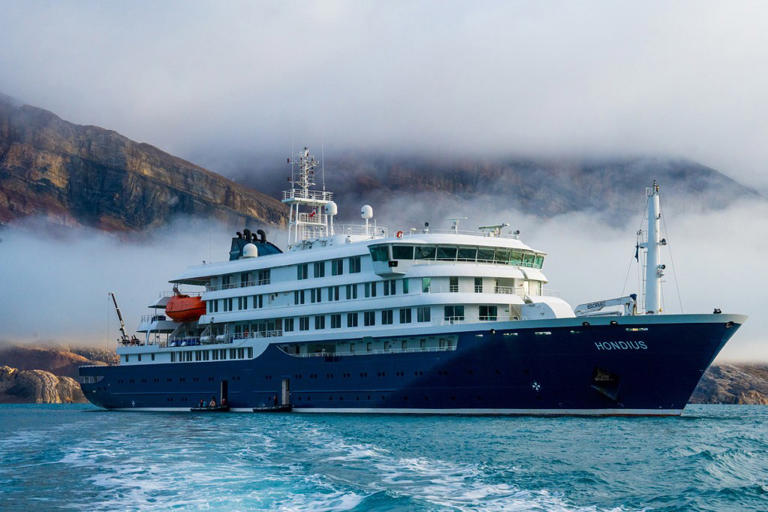
Hantavirus: Possible human transmission in cruise ship outbreak, WHO says
The World Health Organization (WHO) said that it believes there may have been human-to-human transmission of hantavirus on a cruise ship carrying almost 150 passengers, with four Canadian passengers confirmed on board.
Hantavirus is a rodent-borne illness, but the WHO said that in this case it could have been spread among “really close contacts” aboard the MV Hondius, travelling from Argentina to Cape Verde.
“The risk to [the] general public is low. This is not a virus that spreads like flu or COVID. It’s quite different,” WHO official Dr Maria Van Kerkhove said.
“Some people on the ship were couples, they were sharing rooms, so that’s quite intimate contact,” Van Kerkhove, the WHO’s director of epidemic and pandemic preparedness, said, adding that the cruise also stopped at several islands off the coast of Africa, some of which “have a lot of rodents.”
“There could be some source of infection on the islands as well for some of the other suspect cases,” she said. “However, we do believe that there may be some human-to-human transmission that’s happening among the really close contacts,” such as those who have shared cabins.
“One patient is in intensive care in South Africa, although we understand that this patient is improving,” she said, while two patients still on board the ship are being prepared for medical evacuation to the Netherlands for treatment.
As a precaution, passengers have been asked to remain in their cabins while disinfection and other public measures are carried out, the WHO revealed.
There is no specific treatment or cure for hantavirus, but early medical attention can increase the chance of survival.