Heart failure rising among younger Canadians, data shows
At 23, Jenny Milne was told her gall bladder stopped working, which after months of tests and investigation, turned out to be heart failure.
The doctors couldn’t figure out why her white blood cell count was so high, why she was always out of breath and why she had free fluid in her abdomen.
“I couldn’t walk five feet in front of me without taking a break,” the Chilliwack, B.C. native told on Monday, adding that she thought it was just asthma.
At her doctor’s request, she took a COVID-19 test, which turned out to be negative. Her doctor was puzzled as she kept getting worse.
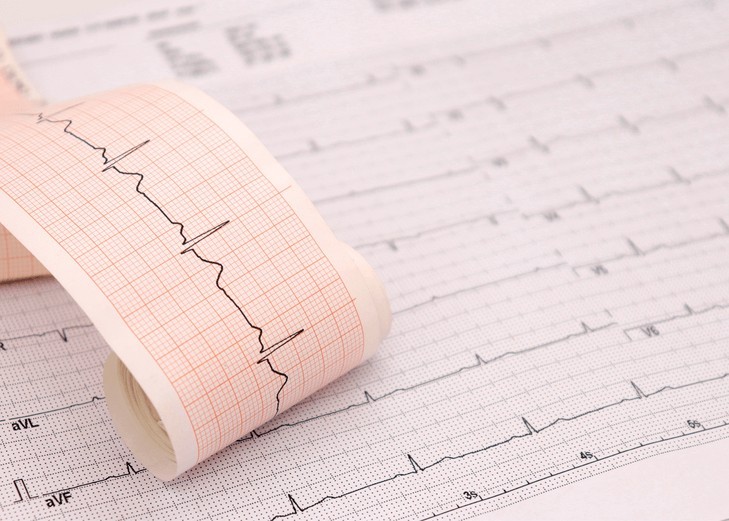
Two weeks later, Milne noticed that her legs had swollen. This led to a series of heart activity tests, including a Holter monitor test, an electrocardiogram (ECG), an echo cardiogram and a cardiac MRI.
She was told her heart was enlarged and there was something infiltrating it. She was also diagnosed with a pulmonary embolism and a clot in one of her lungs.
“Through that, my internal medicine doctor quickly realized that my heart was failing (and) was not going to be managed through internal medicine,” Milne, who is now 29, said.
After the doctors found out through a biopsy that she also had endomyocardial fibrosis , Milne was told that she needed a heart and lung transplant.
A year after her diagnosis, Milne had to get her mitral valve replaced. She says the surgery went well, and the replacement worked better than expected, sending her heart failure into remission.
“I was very lucky that my (general practitioner, or GP) has a special interest in cardiology and recognized the signs, and I wasn’t dismissed,” Milne, who now works with the HeartLife Foundation to help people living with heart disease, said.