Screwworms won’t wipe out Canadian cattle, but extra precautions urged
Screwworms won’t take down Canada’s beef industry, but an advocate says the flesh-eating parasite’s return to the U.S. is a good reminder for farmers and ranchers here to take extra precautions.
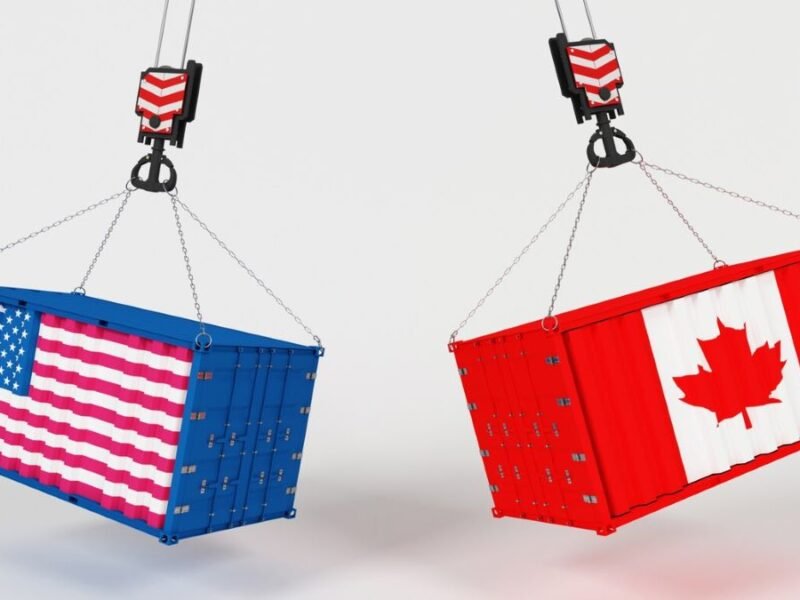
The Canadian Food Inspection Agency announced on Friday that it would temporarily restrict livestock from entering Canada from affected parts of the United States, after New World screwworm was detected in a calf in Texas.
On Monday, the U.S. Department of Agriculture (USDA) confirmed two more cases in Texas, and a fourth case in a dog that resides in New Mexico.
Experts tell that the screwworm could not survive Canadian winter, so there’s no risk of a major outbreak north of the border.
But Leigh Rosengren, chief veterinary officer with the Canadian Cattle Association, says she appreciates the CFIA’s ban on Texas livestock because an animal bringing screwworm into Canada could still cause problems.
“As we’re seeing in Texas, even a single incursion can cause some hiccups in export markets,” Rosengren said. “Canada’s extremely dependent on our export market, so we would want to make sure to prevent that.”
Screwworm flies were an annual summer scourge of cattle ranchers from at least the 1930s through the 1960s, when the U.S. eradicated them by breeding sterile male flies and dropping swarms of them from planes to mate with wild females.
The deadly flies were contained to southern Panama and South America until a 2023 outbreak in Panama. They jumped to Costa Rica and Nicaragua, and by late 2024 were detected in Mexico.
Last week, an infestation was discovered in a three-week-old calf in La Pryor, Texas, about 80 kilometres from the U.S.-Mexico border. It was the screwworm’s first appearance in the state since 1966.
Rosengren recommends Canadian producers update and double-check their biosecurity plans to protect against disease, increase monitoring of their animals — especially neonatal cows, which are especially high risk — and re-establish their relationship with their vets in case they notice anything worrying.
Rosengren emphasized screwworm is not a food safety issue, but said the situation raises awareness “for all of us in the agriculture industry of how important it is to maintain our national herd health.”
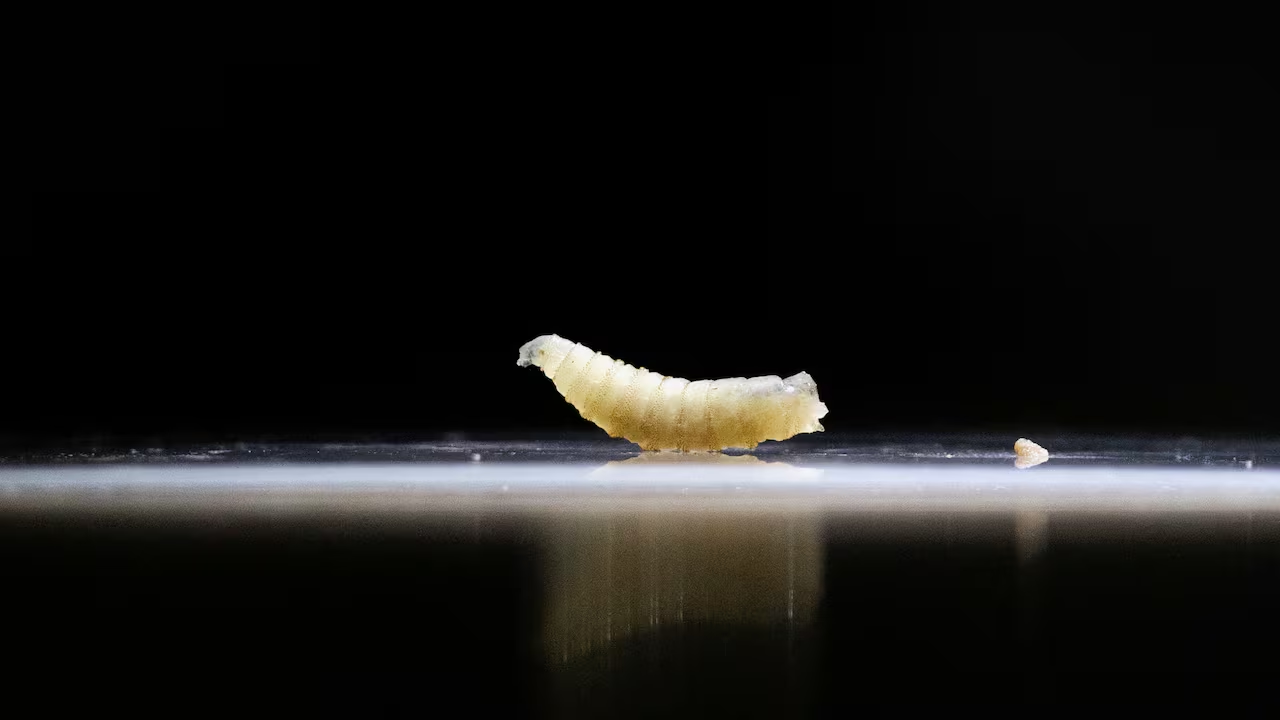
The New World screwworm fly in the Western Hemisphere and its Old World cousin in Africa and Asia are unusual among flies because their larvae, or maggots, eat live flesh and fluids instead of dead material. Females lay their eggs in open wounds and mucous membranes after mating and the eggs then hatch into maggots.
The screwworm gets its name from the maggots’ habit of burrowing — or screwing — into a wound, according to the USDA Animal and Plant Health Inspection Service.
Any warm-blooded animal, including wildlife, pets and occasionally humans, can be infested. An untreated infestation can cause death.
In past decades, ranchers suffered tens of millions of dollars in losses — potentially billions in today’s dollars.
Infectious disease specialist and University of Toronto professor Issac Bogoch treated a Canadian man who became infested after falling on a hike in Costa Rica last year.
“If you imagine the machines that bore underground to make the subway, that’s what these larvae do. They just bore under tissue and destroy tissue,” he said.
Bogoch says while the flies would not survive a Canadian winter, they could theoretically be imported and survive through summer, causing “protracted harm.”