A glacial lake in B.C. is at risk of bursting again
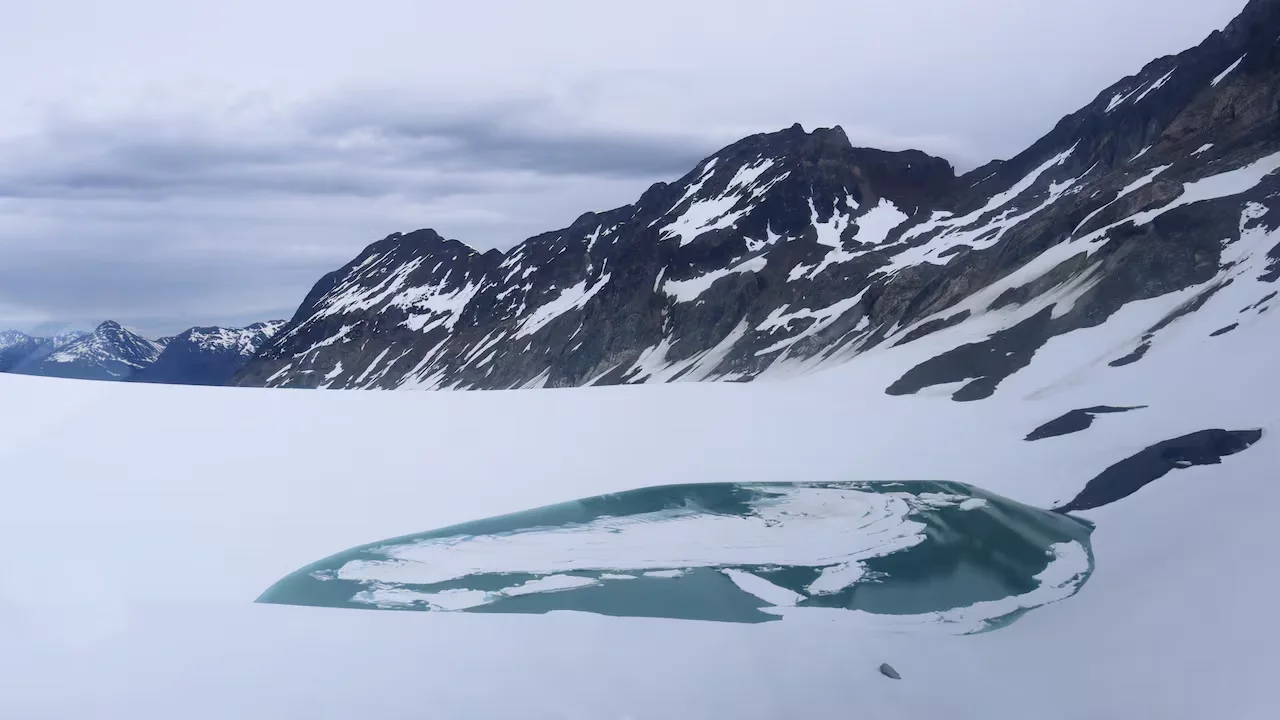
The threat of a glacial lake overflowing and potentially sending a torrent of meltwater and debris rushing toward homes has become an annual fear for people living near British Columbia’s Place Glacier.
For the third year in a row, residents of rural communities roughly 180 kilometres northeast of Vancouver have evacuated their homes as water levels at the glacier’s edge have reached a perilous level.
Like many of Western Canada’s more than 15,000 glaciers — and many more around the world — the Place Glacier is retreating rapidly because of warmer temperatures and changing weather patterns driven by climate-harming fossil fuel emissions.
That is raising the risk for the 15 million people worldwide who live downstream from glacial lakes, where it’s not a matter of whether a lake will overflow, but when — and how destructive the event might be. Experts say governments, scientists and communities need to collaborate to protect people and their homes.
“It has to be a wake up call that climate change is here and how we adapt, mitigate, and come together is really going to dictate how we continue to face these hazards and vulnerabilities,” said Rodrigo Narro Pérez, an assistant professor in the School of Earth, Environment and Society at McMaster University in Hamilton, Ont.
Most glacial lakes around the world are held back by natural dams known as moraines, which are made of rock, sediment and ice deposited by a glacier.
Glacial lake outburst floods (GLOFs) happen when an unstable moraine breaks open or accumulated meltwater rises above the barrier because of rapid snowmelt, heavy precipitation or a landslide.
What makes the lake at Place Glacier different is that it sits atop the glacier’s edge, forming what is known as an ice-marginal lake, said Dan Shugar, who runs the Water, Sediment, Hazards and Earth Surface Dynamics, or waterSHED, Lab at the University of Calgary.
“The glacier itself is acting as the dam,” he said. “The dam can actually reform year after year so that ice can kind of heal itself, if you will, and that lake will just keep reforming.”