Wildfire Season Becomes Fourth Worst on Record; Fire Risk Remains High Across Several Regions
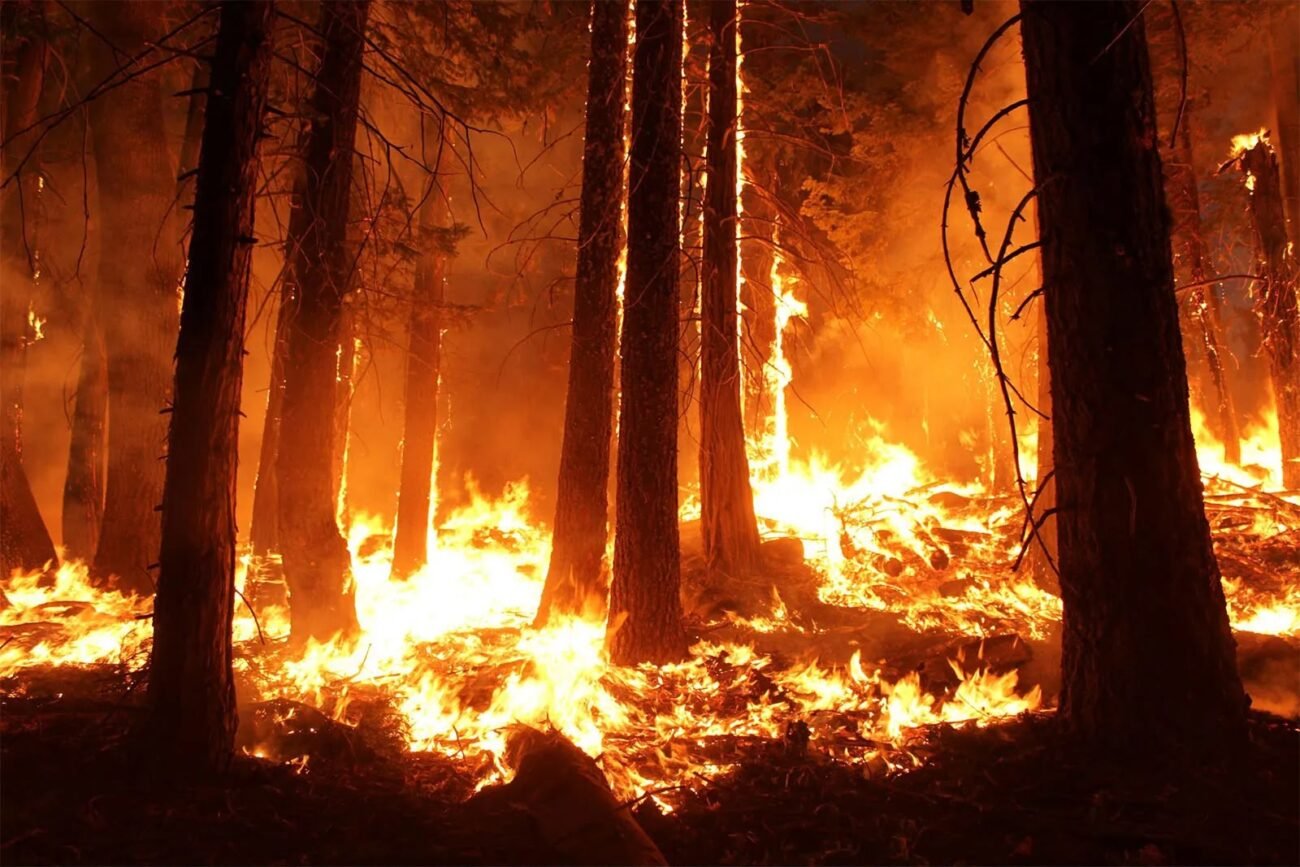
The 2026 wildfire season has officially become the fourth worst on record, with millions of hectares of forests and grasslands already destroyed and hundreds of wildfires continuing to burn across several regions. Authorities say persistent hot, dry, and windy weather has significantly increased fire activity, while forecasts indicate that the wildfire threat will remain elevated in the coming weeks.
According to emergency management officials, prolonged drought, below-average rainfall, low humidity, and recurring heat waves have created ideal conditions for both the ignition of new fires and the rapid spread of existing ones. Lightning strikes and human-caused incidents continue to be among the leading causes of wildfire outbreaks, placing additional pressure on firefighting resources.
Fire crews from across Canada, supported by international personnel and specialized aircraft, remain engaged in battling major blazes. Water bombers, helicopters, bulldozers, and ground crews are being deployed to protect homes, businesses, and critical infrastructure. Despite these efforts, strong winds and difficult terrain have complicated containment operations in several wildfire zones.
Thousands of residents have been forced to evacuate as fires threaten homes and communities, while emergency shelters have been established to accommodate displaced families. Officials have warned that evacuation orders could expand if weather conditions worsen or new fires develop near populated areas.
Wildfire smoke has also spread over large areas, reducing air quality and visibility in numerous communities. Public health agencies have advised children, seniors, pregnant women, and people with asthma or other respiratory illnesses to limit outdoor activities during periods of heavy smoke. Residents are also encouraged to use high-quality air filtration where possible and follow local health advisories.
Environmental experts warn that the growing frequency and intensity of wildfire seasons are being driven by increasingly warmer temperatures and prolonged dry conditions. In addition to destroying forests and wildlife habitats, the fires are expected to have long-term impacts on ecosystems, local economies, tourism, and forestry industries.
Authorities continue to urge the public to avoid open burning, properly extinguish campfires, dispose of cigarettes safely, and report any signs of smoke or fire immediately. With weather forecasts showing little relief in the near future, emergency officials say the wildfire season is far from over and that the risk of additional large fires remains high across vulnerable regions.