Iran Sets New Conditions for Reopening Strait of Hormuz as UAE Reports Missile Attack on Ship
Iran has issued new conditions for reopening the Strait of Hormuz, further complicating efforts to restore normal shipping through one of the world’s most important energy routes.
Iran’s Supreme National Security Council said the strait would remain closed until the United States changes its policies toward Iran. Iranian demands reportedly include an end to U.S. military action in the region, the lifting of sanctions, compensation for war-related damage and the withdrawal of U.S. forces.
Iran and Oman have been working on an agreement aimed at managing shipping through the strait, but Tehran has indicated that an agreement with Oman alone would not automatically result in the full reopening of the waterway. Iran is also seeking greater control over maritime traffic through the strategic passage.
UAE reports attack on ADNOC vessel
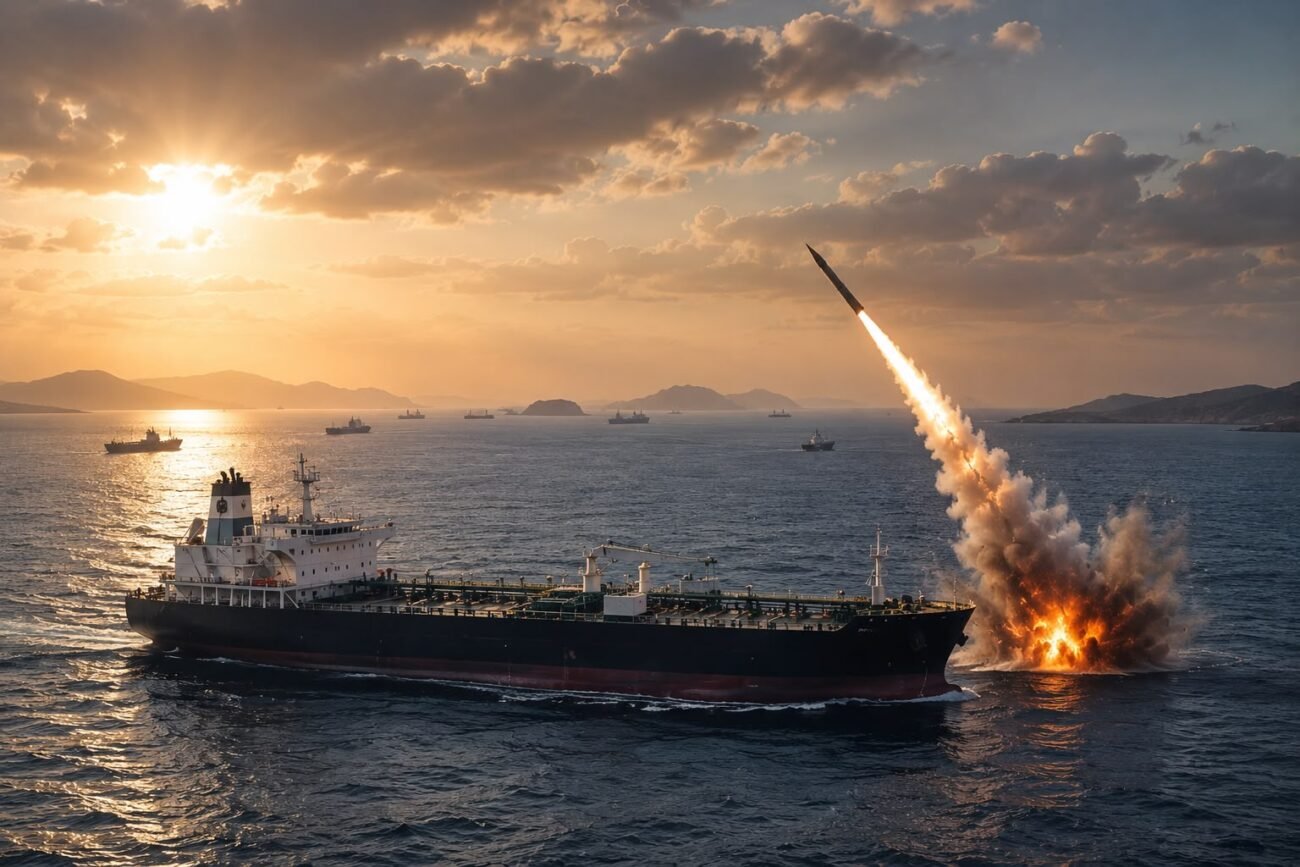
Meanwhile, the United Arab Emirates said a vessel linked to state-owned Abu Dhabi National Oil Company (ADNOC)was targeted by an Iranian missile while transiting the Strait of Hormuz.
The UAE condemned the incident and accused Iran of attacking commercial shipping. No injuries were reported in the latest incident, and authorities did not immediately provide details about the vessel, its cargo or the extent of any damage.
ADNOC said its operations have been significantly affected by attacks since the conflict began. The company has reported 15 missile and drone attacks on its vessels, resulting in one crew member being killed and 20 others injured.
Growing concerns over global energy supplies
The developments have intensified concerns over the future of commercial shipping through the Strait of Hormuz, a critical route for global oil and gas shipments. Continued disruption could increase transportation costs and place further pressure on international energy markets.
The latest tensions come as diplomatic efforts continue, while attacks on commercial vessels and disagreements over the conditions for reopening the strait make a broader agreement increasingly difficult.
Elsewhere in the region, fighting and political tensions remain high, with developments involving Yemen’s Houthi rebels and a new mutual defence agreement between Turkey, Saudi Arabia and Pakistan adding to the rapidly changing Middle East situation.