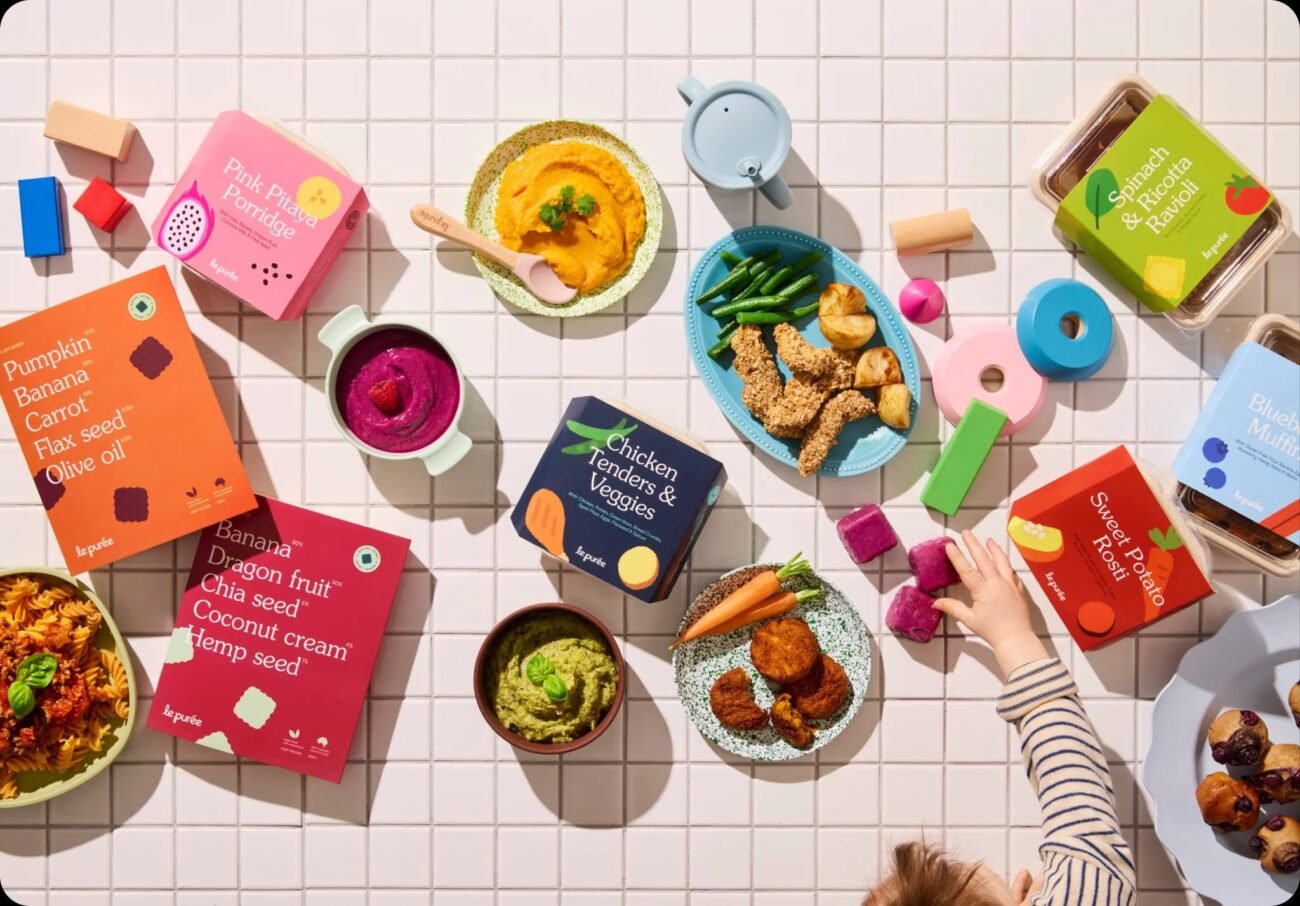
Study Finds Most U.S. Toddler Foods Are Ultra-Processed, Raising Health Concerns
A new study has found that nearly four out of every five toddler food products sold in the United States are ultra-processed, raising fresh concerns among researchers and health experts about the nutritional quality of foods marketed to young children.
The research, published in The BMJ, analyzed hundreds of commercially available toddler food products, including snacks, meals, cereals, fruit pouches and drinks. Researchers found that around 80 per cent of these products were classified as ultra-processed, meaning they are made using industrial ingredients and manufacturing processes that often involve added sugars, refined starches, unhealthy fats, preservatives, flavour enhancers and artificial colours.
Experts warn that regular consumption of ultra-processed foods during early childhood may increase the risk of obesity, type 2 diabetes, heart disease and other chronic health conditions later in life. They also say these foods can shape children’s taste preferences, encouraging a lifelong preference for sugary, salty and highly processed products over healthier alternatives.
The study found that many toddler foods marketed as convenient or nutritious may still contain ingredients that exceed recommended levels of sodium, added sugars or other additives. Researchers stressed that marketing claims on packaging can sometimes give parents the impression that a product is healthier than it actually is.
Health professionals are urging parents and caregivers to carefully read nutrition labels and ingredient lists before purchasing packaged toddler foods. Whenever possible, they recommend choosing fresh fruits and vegetables, whole grains, dairy products, lean proteins and home-prepared meals, which generally provide better nutritional value and fewer unnecessary additives.
Researchers also called for stronger nutrition standards, clearer front-of-package labelling and tighter regulations on the marketing of foods intended for infants and toddlers. They say improved transparency would help families make more informed decisions while encouraging manufacturers to develop healthier products.
The findings add to a growing body of evidence linking ultra-processed foods to poorer health outcomes and highlight the need for better nutrition policies aimed at protecting children’s long-term health.