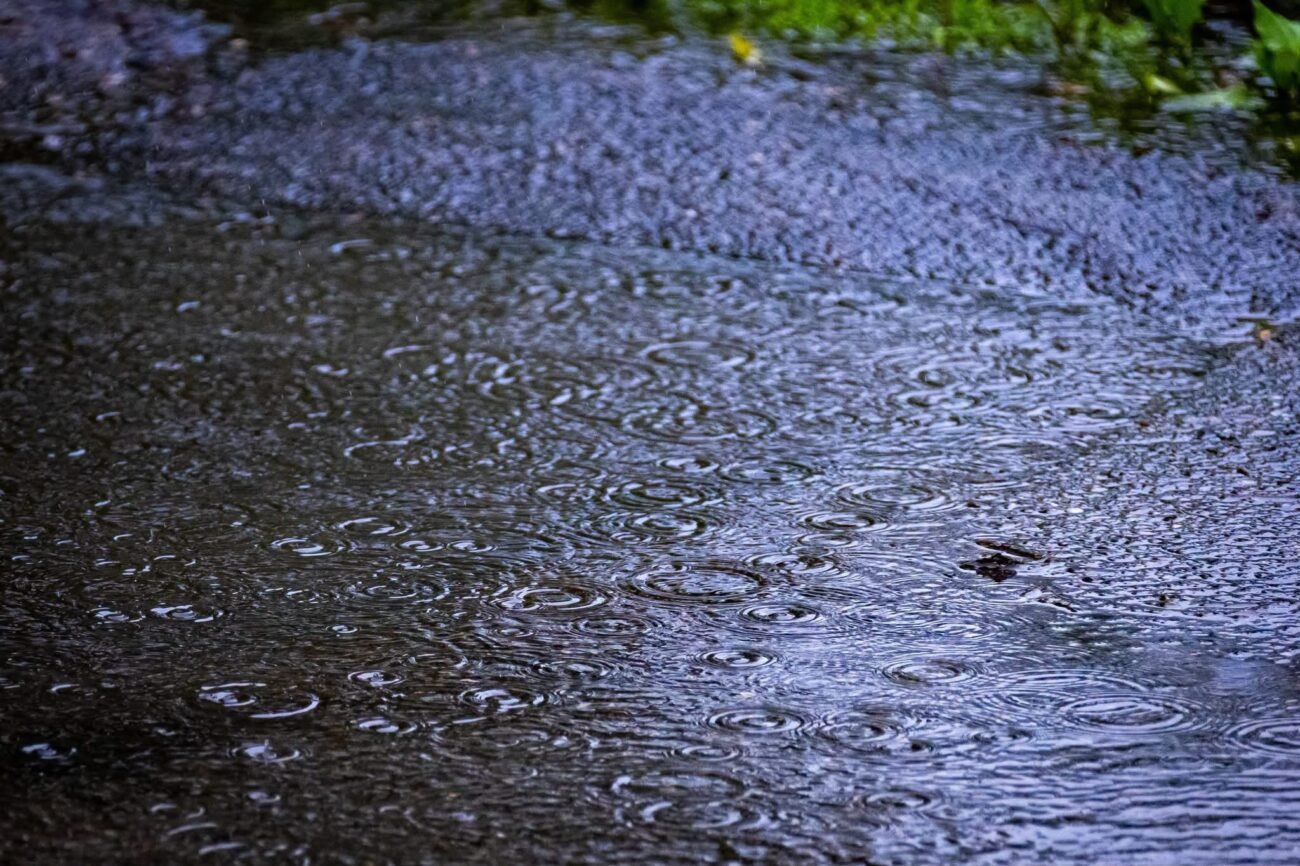
Edmonton Breaks Summer Rainfall Record After Exceptionally Wet Season
Edmonton has officially set a new summer rainfall record, making this one of the wettest summers ever recorded in the city’s history. According to Environment and Climate Change Canada (ECCC), persistent rainfall over the past several months pushed seasonal precipitation beyond the previous record, highlighting an unusually wet weather pattern across the Alberta capital.
The record-breaking rainfall was driven by a series of slow-moving low-pressure systems that brought repeated rounds of rain and thunderstorms throughout June, July and into late summer. Meteorologists say the consistent flow of moisture into central Alberta created ideal conditions for prolonged periods of rainfall, with several days recording above-average precipitation.
While the abundant rainfall has significantly improved soil moisture levels, replenished rivers, reservoirs and wetlands, and benefited farmers in parts of the province, it has also created challenges for residents and municipalities. Heavy rain has caused localized flooding, waterlogged parks, overflowing stormwater systems, delays to road construction projects and disruptions to numerous outdoor festivals, sporting events and community activities.
City crews have responded to reports of flooded streets, blocked storm drains and standing water in low-lying neighbourhoods. Officials continue to encourage residents to avoid driving through flooded roads, keep storm drains clear of debris and stay updated on weather advisories during periods of intense rainfall.
Agricultural experts say the wet conditions have been a mixed blessing. While improved moisture has eased drought concerns across many parts of Alberta and supported pasture growth, excessive rainfall has also delayed haying operations, affected crop development in some regions and increased the risk of plant diseases and soil erosion.
The unusually wet summer marks a sharp contrast to recent years, when Edmonton and much of Alberta experienced prolonged dry conditions, record-breaking heat and severe wildfire seasons. This year’s cooler temperatures and frequent rainfall have helped reduce wildfire risk around the Edmonton region, although officials note that wildfire conditions can still change quickly during periods of warm, dry weather.
Climate experts say individual weather events cannot be directly attributed to climate change, but a warming climate is expected to contribute to more frequent and intense precipitation events in many parts of Canada. They stress the importance of investing in resilient infrastructure, improved stormwater management systems and climate adaptation strategies to help communities cope with increasingly unpredictable weather patterns.
Environment Canada says additional showers and thunderstorms remain possible in the coming weeks and is encouraging residents to monitor weather forecasts and alerts as conditions continue to evolve.