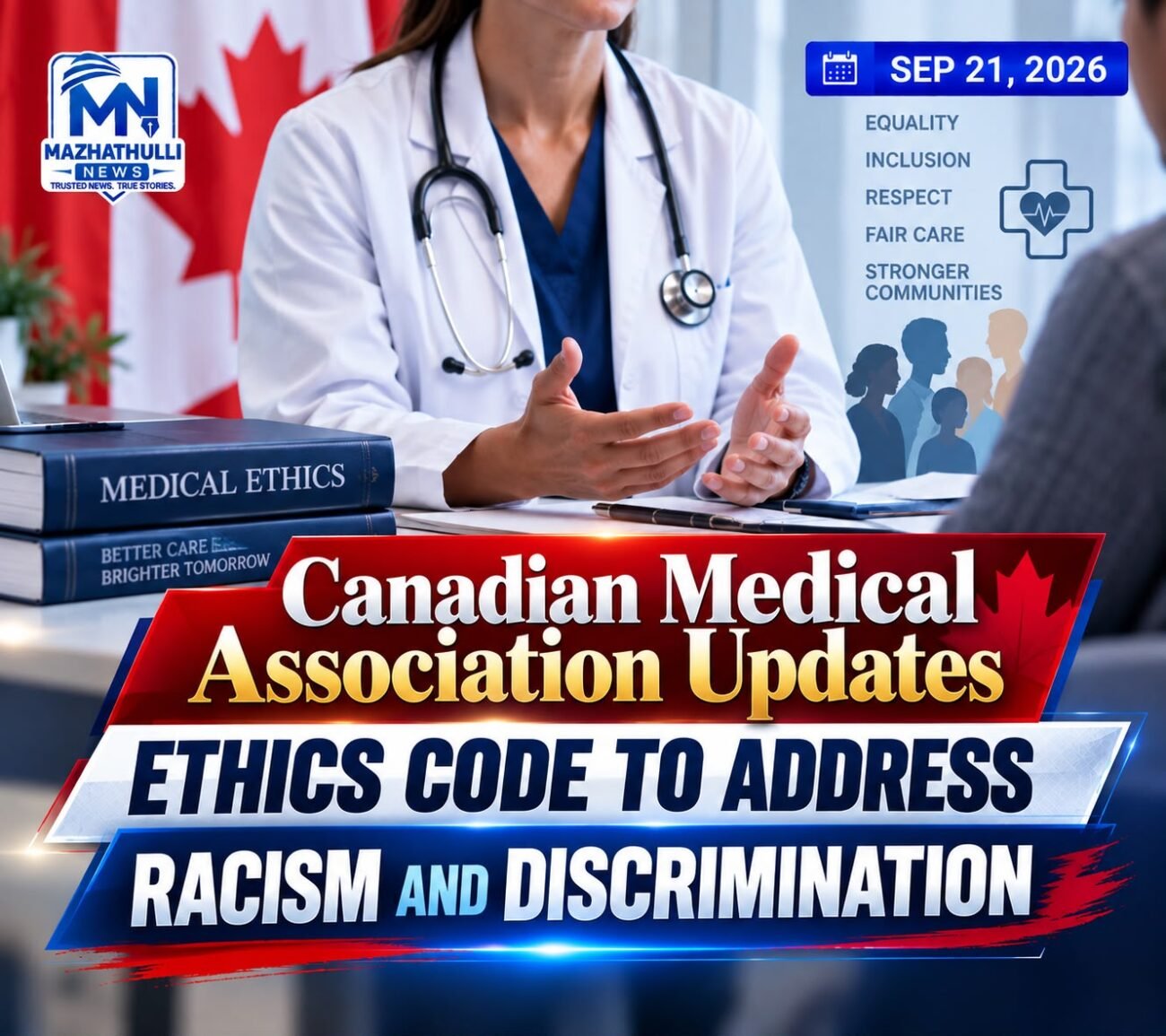
Canadian Medical Association Updates Ethics Code to Address Racism and Discrimination
The Canadian Medical Association (CMA) has updated its Code of Ethics and Professionalism, introducing clearer expectations for physicians on addressing racism, discrimination and bias in health care.
Released on September 18, the revised code sets out ethical and professional responsibilities for doctors and provides more specific guidance on how physicians should respond to racism and discrimination in their interactions with patients and colleagues. The CMA said the changes are intended to support more culturally safe, trauma-informed and equitable care across Canada’s health-care system.
The updated code strengthens language requiring physicians to recognize and address racist and discriminatory behaviour. Doctors are encouraged to reflect on their own biases, continue learning about historical and current issues affecting communities and take reasonable steps to address racism and inequity within their sphere of influence.
The CMA said the changes reflect growing recognition that racism, discrimination and bias can affect health outcomes and people’s experiences when seeking medical care. Patients and communities have reported experiences including not being believed, harmful assumptions about their health, delays in treatment, barriers to care and, in some cases, violence or mistreatment.
A significant part of the update focuses on Indigenous health and reconciliation. The revised code calls on physicians to respect Indigenous knowledge, worldviews, medicine and healing practices. The changes build on the CMA’s commitment to reconciliation and follow the association’s apology for the medical profession’s role in historical and ongoing harms experienced by Indigenous Peoples.
Those harms identified by the CMA include the legacy of Indian hospitals, forced medical experimentation, forced sterilization, child apprehensions and systemic racism and discrimination within the health-care system.
The CMA said the revised code was developed through an extensive consultation process involving Indigenous partners, physicians, patients and communities across Canada. The review was carried out over two years and was part of the association’s broader reconciliation work.
The updated document also places greater emphasis on culturally safe and trauma-informed care. Physicians are expected to consider patients’ individual circumstances, culture and experiences while respecting their right to participate in informed decisions about their health and treatment.
Another area of change involves relationships between physicians and other health-care professionals. The code sets clearer expectations for respectful professional conduct and identifies unacceptable behaviour in workplaces and learning environments. Physicians are also encouraged to take action when they encounter racism, discrimination or other conduct that conflicts with professional standards.
The CMA says the changes are intended not only to guide individual doctors but also to support broader improvements within the health-care system. Physicians are expected to contribute to efforts that advance equity and help create environments where patients and health-care workers can feel respected and safe.
The revised code also recognizes the role of physicians in public communication. Doctors are expected to help address false health information and contribute to a health-care environment based on reliable information and public trust.
For patients, the CMA says the updated code reinforces expectations that they should be treated with dignity and respect, listened to and taken seriously. Patients should also be able to understand their rights and participate in informed decisions about their care.
The Code of Ethics and Professionalism has been used as a guide for Canadian physicians for more than 150 years. It covers areas such as clinical decision-making, consent, privacy, confidentiality, professional conduct and relationships between physicians and patients. The document is periodically revised as medical practice and social expectations change.
The 2026 update is available in six languages: English, French, Inuktitut, Southern Heritage Michif, Northern Michif-Cree and Anishinaabemowin. The CMA said the broader consultation process included more than 50 organizations and groups during the development of the revisions.
The code is also relevant beyond the CMA itself. Many provincial and territorial medical regulatory colleges require physicians to follow the code as part of their professional and licensing requirements, while in other jurisdictions it remains an influential reference for ethical practice. The CMA itself does not investigate or discipline individual physicians for alleged violations; complaints about physician conduct are handled by the appropriate provincial or territorial medical regulatory college.
The CMA has emphasized that changing the code alone will not eliminate racism or inequity in Canadian health care. The association says meaningful change will require continued work from physicians, hospitals, health organizations, regulators and other health-system partners.
The updated code is therefore being presented as both a professional standard and part of a longer-term effort to improve patient care, strengthen accountability and build a health-care system that is more equitable and accessible to people across Canada.