Alex Gibney Defends Elon Musk Documentary Amid Billionaire’s Criticism
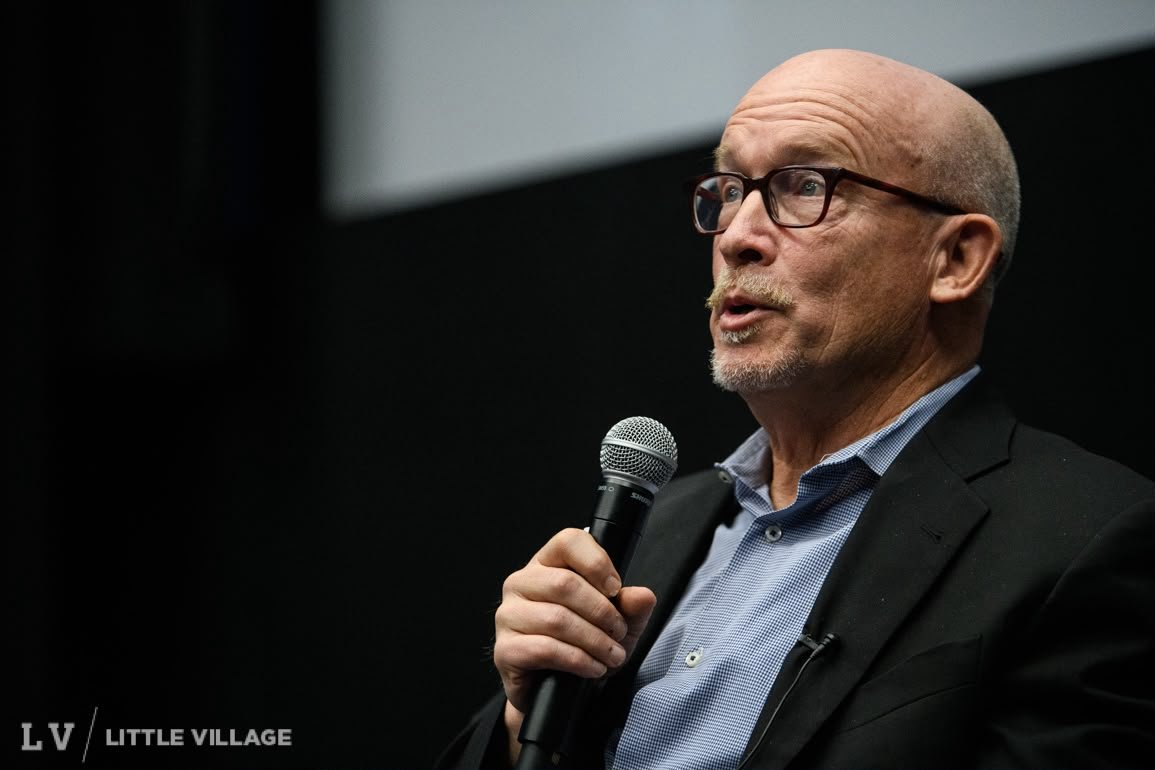
Oscar-winning filmmaker Alex Gibney has defended his documentary about Elon Musk after the billionaire criticized the film and questioned its accuracy. The nearly four-hour documentary, titled Musk, premiered at the Venice Film Festival and examines the technology entrepreneur’s career, personal life and political influence.
Musk has described the film as a “hit piece” and attacked Gibney in posts on X, accusing the director of lacking integrity. He has also threatened potential legal action over allegations presented in the documentary.
Gibney said he attempted to interview Musk for the project, but the billionaire declined to participate. The filmmaker has defended his investigative approach, emphasizing the importance of examining powerful public figures and their influence on society.
The documentary explores Musk’s rise from his early technology ventures to his leadership of Tesla, SpaceX and X, formerly known as Twitter. It also examines his involvement in politics and the growing influence of technology billionaires.
Gibney has argued that Musk’s enormous influence raises important questions about accountability, democracy and the concentration of power in the hands of wealthy technology leaders. The film presents interviews with former associates, journalists and other individuals familiar with Musk’s career.
The dispute has also focused on the documentary’s use of a computer-generated representation of Musk, incorporating statements he has made publicly. The filmmakers say the approach was intended to examine Musk’s public persona and narrative.
Musk’s legal team has raised concerns about the film’s content and alleged inaccuracies. Gibney’s production company has responded by defending the right to conduct fact-based investigations and public debate concerning influential individuals.
The controversy has generated significant attention ahead of the documentary’s theatrical release. The film is scheduled for release in U.S. theatres on October 16, 2026, with the dispute between its director and subject adding to public interest in the project.