Canada Tightens Language Test Verification for Immigration Applicants
Immigration, Refugees and Citizenship Canada (IRCC) has introduced stricter verification measures for language test results submitted with immigration applications, aiming to strengthen the integrity of Canada’s immigration system and combat fraud.
Under the updated guidelines, immigration officers are now required to verify applicants’ language test results more thoroughly by cross-checking photographs used during the language test with the applicant’s identity documents. Officers must also review case notes and alerts issued by approved testing organizations for any signs of suspicious activity.
If officers identify potential fraud, the case will be referred to IRCC’s Tips and Reports Management Unit (TMRU) for further investigation. These enhanced verification procedures must be carried out at every stage of application processing before a final decision is made.
IRCC has also removed its previous guidance that allowed some applicants to retake a language test under visa office supervision. Instead, applicants found to have submitted fraudulent language test results may face refusal of their application on the grounds of misrepresentation, following procedural fairness requirements.
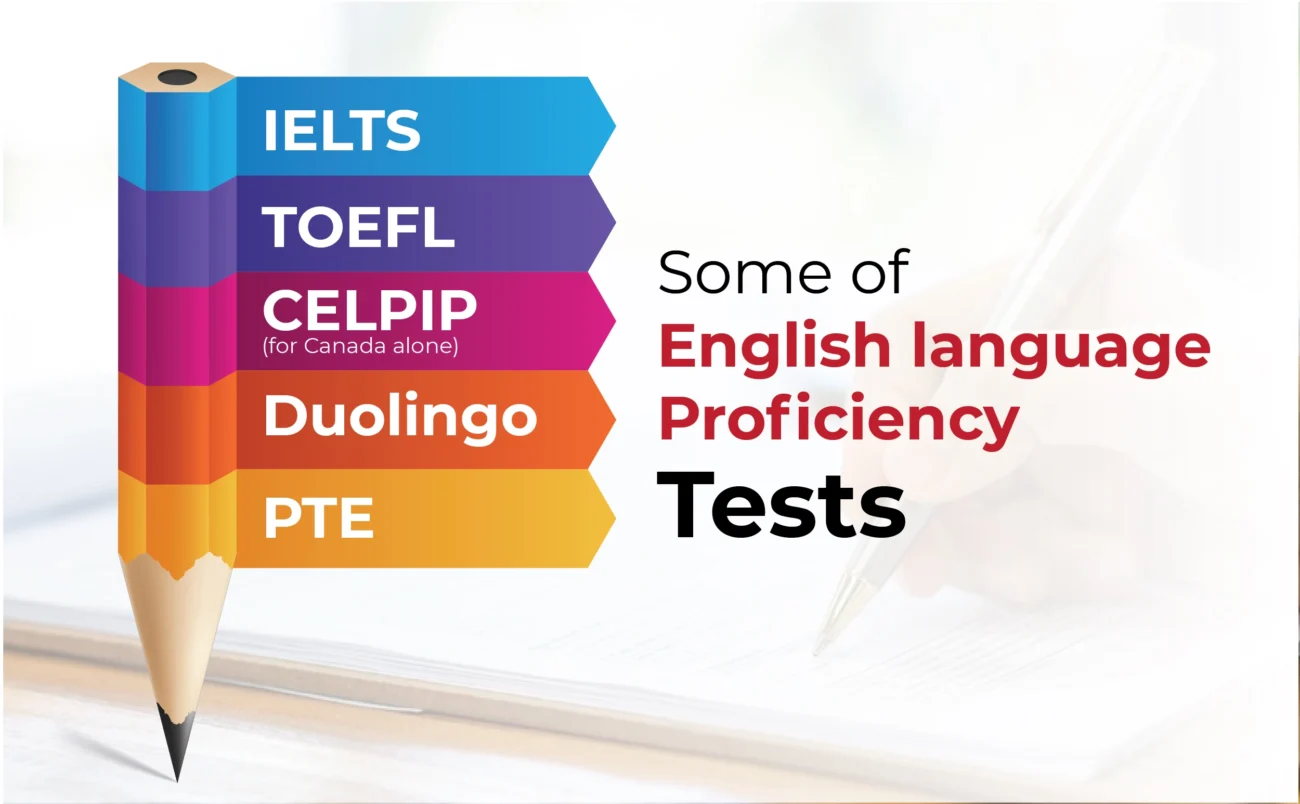
The new measures do not change the minimum language score requirements or the list of approved language tests, which continue to include IELTS, CELPIP, PTE Core (English) and TEF and TCF (French). The changes are focused solely on improving verification procedures and preventing the misuse of language test credentials.
IRCC said the updated verification process is intended to protect the fairness and credibility of Canada’s immigration programs while ensuring that all applicants meet language requirements through legitimate and verifiable test results.