Canada’s economy is weak, but ‘not clearly in recession,’ Macklem says
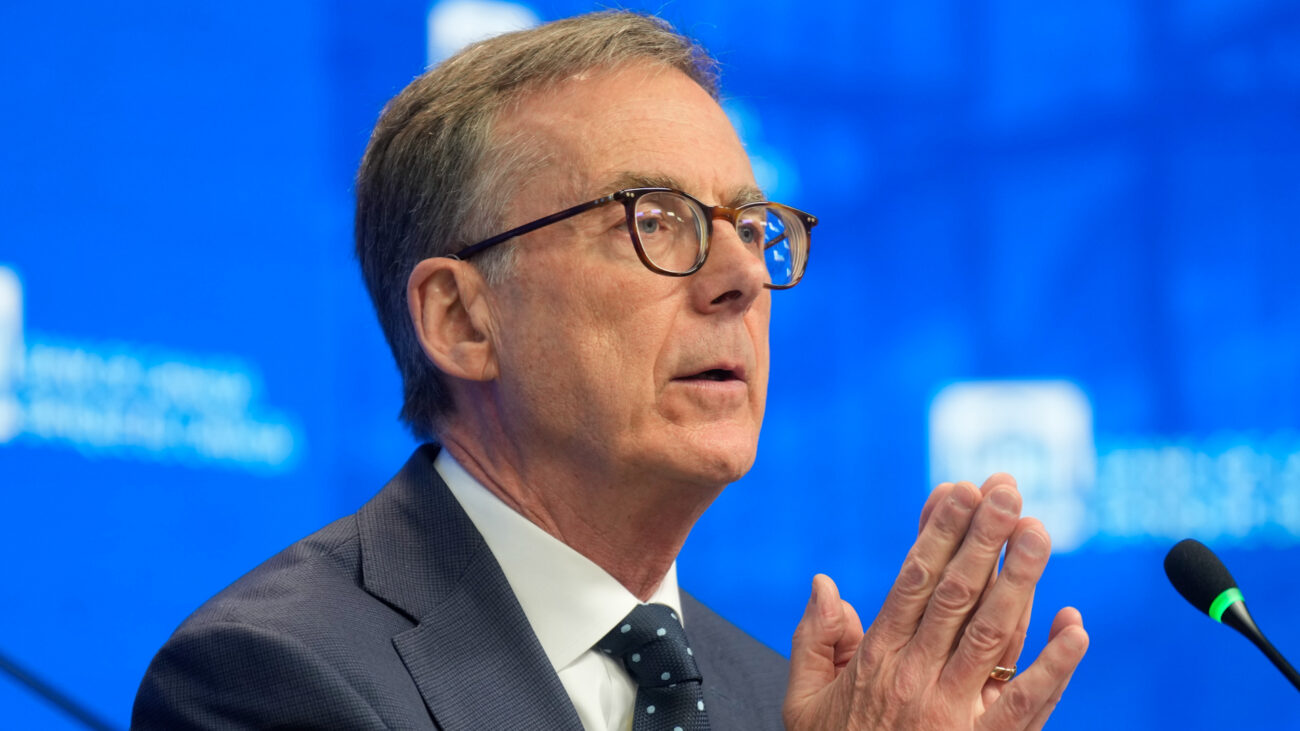
Governor Tiff Macklem at the Bank of Canada said Wednesday that “the economy is weak, but not clearly in recession” after the central bank left interest rates unchanged at 2.25 per cent.
This is the fifth consecutive rate hold by the Bank of Canada since it last cut borrowing rates in October 2025, and comes after a recent GDP report pointed to a technical recession.
“Based on the data we’ve seen to date, the economy is weak, but it is not clearly in recession,” Macklem said to reporters following the rate hold announcement.
“If you look at how the economy has evolved over the last year, GDP is roughly flat over the last 12 months. If you look at the labour market, it’s up a little bit over the last 12 months (and) essentially flat over the last six months.”
He added: “There’s been a lot of volatility…but when you look through the bumps, the economy hasn’t really grown in the last year — but it hasn’t shrunk either.”
A recession is typically defined by economists as two back-to-back quarters of negative GDP. In the fourth quarter of 2025, annualized GDP dropped by one per cent, and in the first quarter of 2026, it fell 0.1 per cent.
Macklem said this points to clear “weakness” but is not a broad-based decline. This means even though the data points to a technical recession, it is not a situation where the economy is experiencing widespread declines, and there are still key areas of the economy which are either stagnant or slowly starting to improve, he said.
recession
“The first quarter (of 2026) was just barely negative after the decline in the fourth quarter of last year. If you look across industries, what you see is that in the first quarter, more than half of industries actually grew; expanded on a year-over-year basis. And, as I mentioned, the unemployment rate’s been relatively stable in the 6.5 per cent to seven per cent range.”
“So far, we have not seen a significant broad-based decline in economic activity.”
In a prepared statement, Macklem highlighted the four-month long conflict in the Middle East pushing up energy prices and disrupting global supply chains.
U.S. tariffs was also underscored as a source of “elevated” uncertainty as the U.S. administration continues proposing new tariff policies that may further impact the Canadian economy.
“Governing Council decided to maintain the policy rate at 2.25 per cent,” Macklem said in the statement.
“Economic activity in Canada has been weak and uncertainty about U.S. trade policy persists. The conflict in the Middle East is ongoing and oil prices remain elevated.”