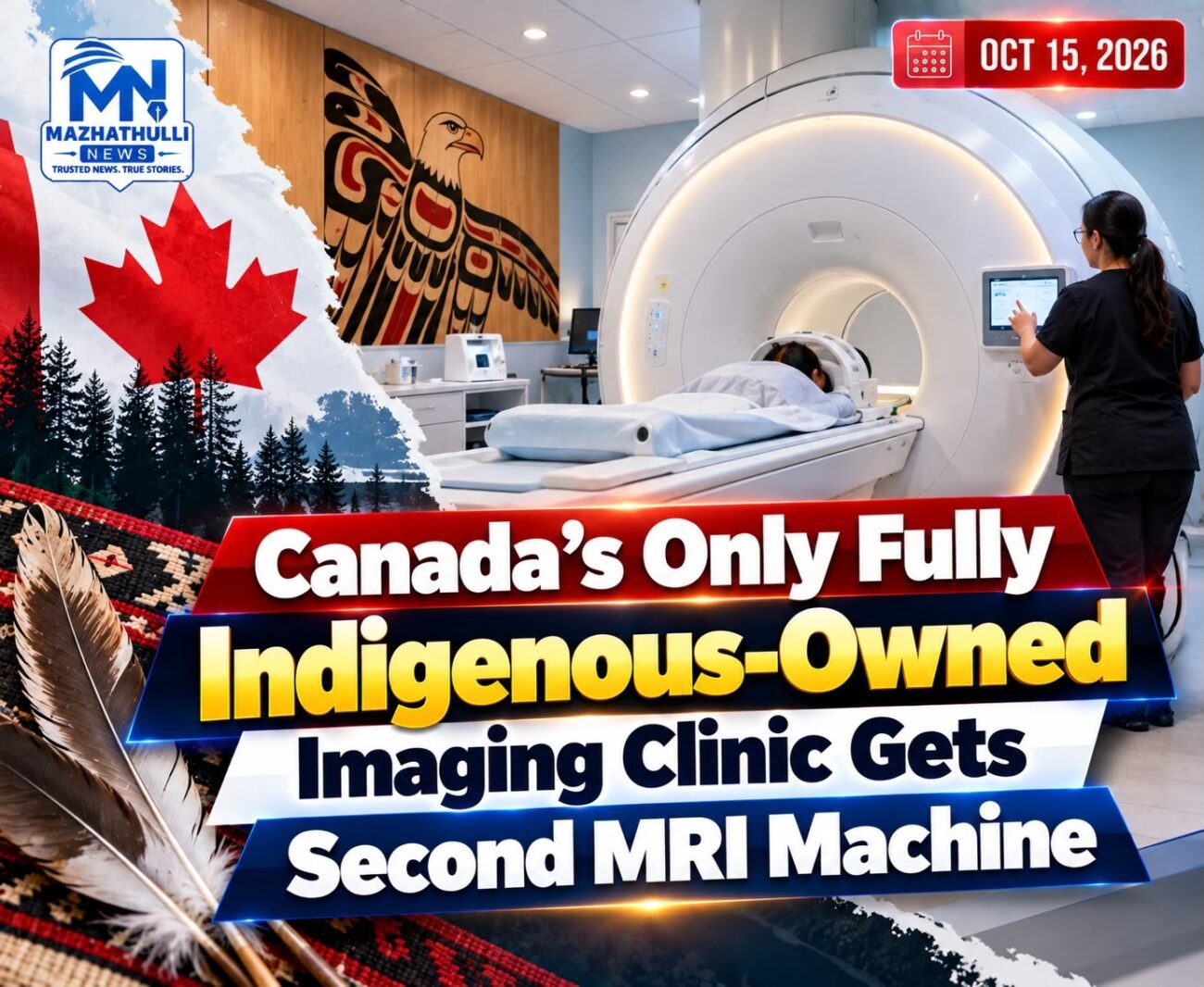
Canada’s Only Fully Indigenous-Owned Imaging Clinic Gets Second MRI Machine
Canada’s only fully Indigenous-owned medical imaging clinic has obtained a second magnetic resonance imaging (MRI) machine, marking a significant development in efforts to improve access to diagnostic health-care services and reduce waiting times for patients. The expansion strengthens the clinic’s capacity to provide advanced medical imaging while highlighting the growing role of Indigenous ownership in Canada’s health-care sector. The clinic, Indigenous-owned and operated, provides diagnostic imaging services to patients who require examinations to help doctors identify and monitor a wide range of medical conditions. MRI technology uses powerful magnetic fields and radio waves to produce detailed images of organs, soft tissues, the brain, the spine and joints without using ionizing radiation. These scans can help physicians investigate conditions such as neurological disorders, spinal injuries, joint damage, tumours and other illnesses that may require detailed imaging for diagnosis and treatment planning. Obtaining a second MRI machine is expected to increase the clinic’s ability to accommodate appointments and manage patient demand. MRI services are essential to modern health care, but limited scanner availability and high demand can contribute to delays in diagnostic testing in some parts of Canada. Additional equipment can help imaging facilities increase their operating capacity, although the extent of any reduction in waiting times will depend on staffing, operating hours, referral volumes and the availability of qualified technologists and radiologists. The expansion also represents an important step for Indigenous participation in health-care delivery. Indigenous communities across Canada continue to face barriers to accessing timely medical services, particularly in remote and underserved areas. Travel distances, shortages of health-care professionals and limited access to specialized diagnostic equipment can make it difficult for some patients to receive examinations when they need them. Indigenous-owned health-care businesses can contribute to addressing these challenges by building services that respond to community needs while operating within Canada’s broader health-care system. The clinic’s additional MRI machine could provide greater flexibility in scheduling examinations and support physicians who depend on timely imaging results to make clinical decisions. Faster access to diagnostic testing can be particularly important when doctors are investigating serious conditions or determining the next steps in a patient’s treatment. However, an MRI scan is only one part of the diagnostic process, and patients may still need specialist consultations, laboratory tests or additional examinations before a diagnosis is confirmed. The expansion also draws attention to the financial and operational challenges associated with acquiring and maintaining advanced medical equipment. MRI systems require substantial investment, specialized facilities, regular maintenance and trained personnel. Ensuring that the new machine is fully integrated into clinical operations will be important to realizing its potential benefits for patients. Indigenous ownership of medical facilities can also support economic development by creating employment opportunities and retaining a greater share of health-care investment within Indigenous-led enterprises. Such businesses may help strengthen relationships between Indigenous communities, medical professionals and the wider health-care sector. The acquisition of a second MRI machine demonstrates how investment in diagnostic technology can expand the capacity of a medical imaging provider. As demand for diagnostic services continues across Canada, increasing access to modern equipment remains an important consideration for health-care planners, providers and communities seeking timely and reliable medical care.