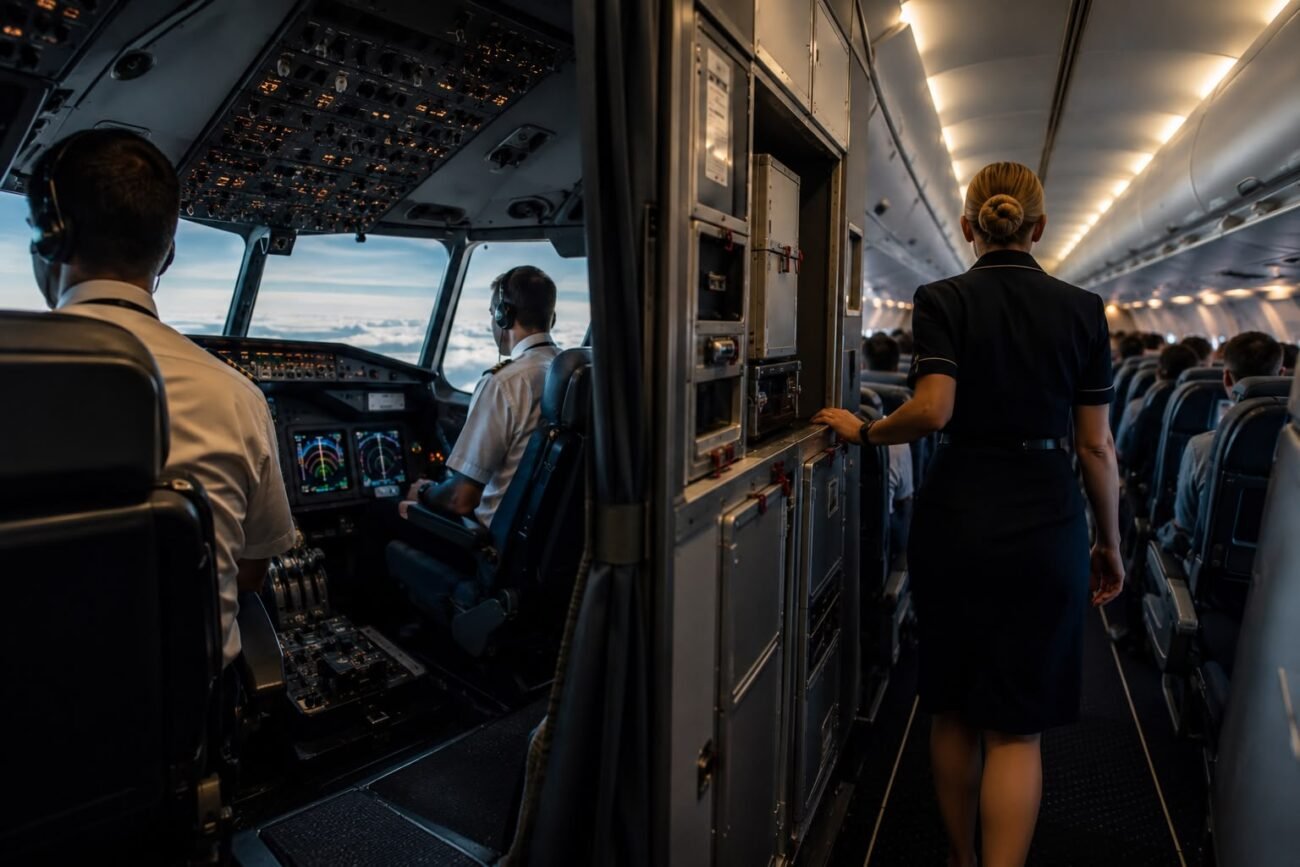
Study Finds Flight Attendants and Pilots Face Higher Risk of Radiation-Linked Cancer Deaths
Flight attendants and pilots face a significantly higher risk of dying from certain cancers linked to long-term exposure to cosmic radiation, according to a new study that has raised fresh concerns about occupational health risks in the aviation industry.
Researchers found that airline crew members are exposed to higher levels of cosmic ionizing radiation than most other professions because they spend thousands of hours flying at high altitudes, where the Earth’s atmosphere offers less protection from radiation originating from space and the sun. Over the course of a career, this repeated exposure can accumulate and potentially increase the risk of developing radiation-related cancers.
The study found that pilots and flight attendants have higher mortality rates from certain cancers associated with radiation exposure than the general population. Long-haul crew members, who regularly operate international routes and spend extended periods at cruising altitudes, are believed to receive the greatest cumulative doses of cosmic radiation.
Experts noted that the amount of radiation exposure can vary depending on several factors, including flight altitude, duration, latitude, and solar activity. Flights over polar regions and long-distance international routes generally expose crew members to higher radiation levels than shorter domestic flights.
While the findings highlight an increased occupational risk, researchers emphasized that the study does not suggest that every pilot or flight attendant will develop cancer. Cancer is a complex disease influenced by multiple factors, including genetics, age, lifestyle, smoking, diet, and environmental exposures. Cosmic radiation is considered one of several factors that may contribute to an individual’s overall cancer risk.
The researchers are calling for enhanced monitoring of radiation exposure among airline crews, regular medical screenings, and improved workplace safety measures. They also recommend that airlines continue tracking cumulative radiation doses for employees and consider scheduling practices that help reduce prolonged exposure, particularly for crew members assigned to frequent long-haul or polar routes.
Aviation authorities in several countries already recognize cosmic radiation as an occupational hazard and require airlines to monitor exposure levels for flight crews. Health experts say the latest findings reinforce the need for continued research, stronger safety protocols, and greater awareness of the long-term health risks faced by aviation professionals.
Despite the increased risk identified in the study, experts stress that air travel remains safe for passengers, whose exposure to cosmic radiation is minimal due to infrequent flying. The concern primarily relates to pilots and flight attendants who spend years working at high altitudes as part of their profession.