Trump Unveils Sweeping Tariff Plan on Generic Drug Imports to Boost U.S. Manufacturing
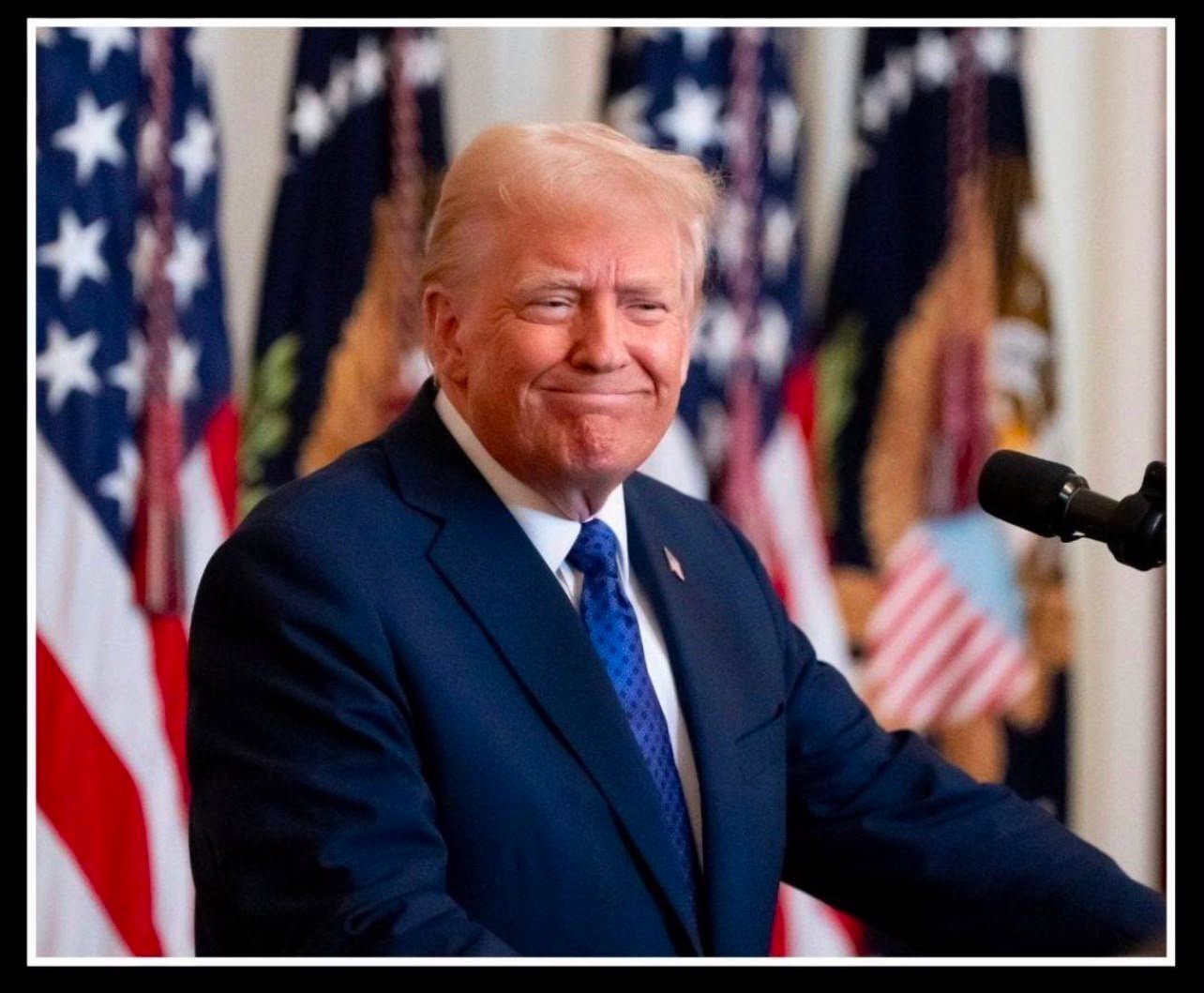
U.S. President Donald Trump has announced a major new tariff proposal targeting imported generic medicines, saying the move is aimed at bringing pharmaceutical manufacturing back to the United States and reducing the country’s dependence on foreign drug supplies. Under the plan, imported generic medicines will remain tariff-free for two years beginning August 1, before a 100% tariff takes effect in August 2028, rising to 200% a year later for companies that continue producing generic drugs outside the U.S.
Trump said the phased approach gives pharmaceutical manufacturers time to relocate production and invest in new factories in the United States. He argued that strengthening domestic manufacturing would improve supply chain security, create American jobs, and reduce the country’s reliance on overseas producers for essential medicines. The proposal applies only to generic drugs, while the current policy for patented and brand-name medicines remains unchanged.
The announcement has sparked concern across the global pharmaceutical industry, particularly in India, which supplies a large share of generic medicines to the U.S. market. Industry experts warned that the proposed tariffs could significantly increase manufacturing costs, disrupt global supply chains, and eventually raise prescription drug prices for millions of Americans who rely on affordable generic medicines. More than 90% of prescriptions filled in the United States are generic drugs, making the sector critical to the country’s healthcare system.
The Association for Accessible Medicines, which represents U.S. generic drug manufacturers, said the industry supports expanding domestic production but stressed that long-standing issues with reimbursement rates and purchasing policies must also be addressed. Patient advocacy groups warned that steep import tariffs could make low-cost medicines less affordable and reduce access for patients if manufacturers pass higher costs on to consumers.
The proposal also had an immediate impact on financial markets, with shares of several pharmaceutical companies declining as investors assessed the potential consequences. Major generic drug manufacturers, including India’s leading exporters and Switzerland-based Sandoz, said they would continue discussions with U.S. policymakers while evaluating how the proposed tariffs could affect future investment and manufacturing decisions.
Although the tariffs are not scheduled to take effect until 2028, the proposal is expected to become a key issue in upcoming trade and healthcare policy debates. Analysts say the plan could reshape global pharmaceutical supply chains, influence future U.S.-India trade negotiations, and significantly affect the cost and availability of generic medicines in the years ahead.