U.S. Supreme Court Allows Trump-Era Mail Voting Restrictions Ahead of Midterms
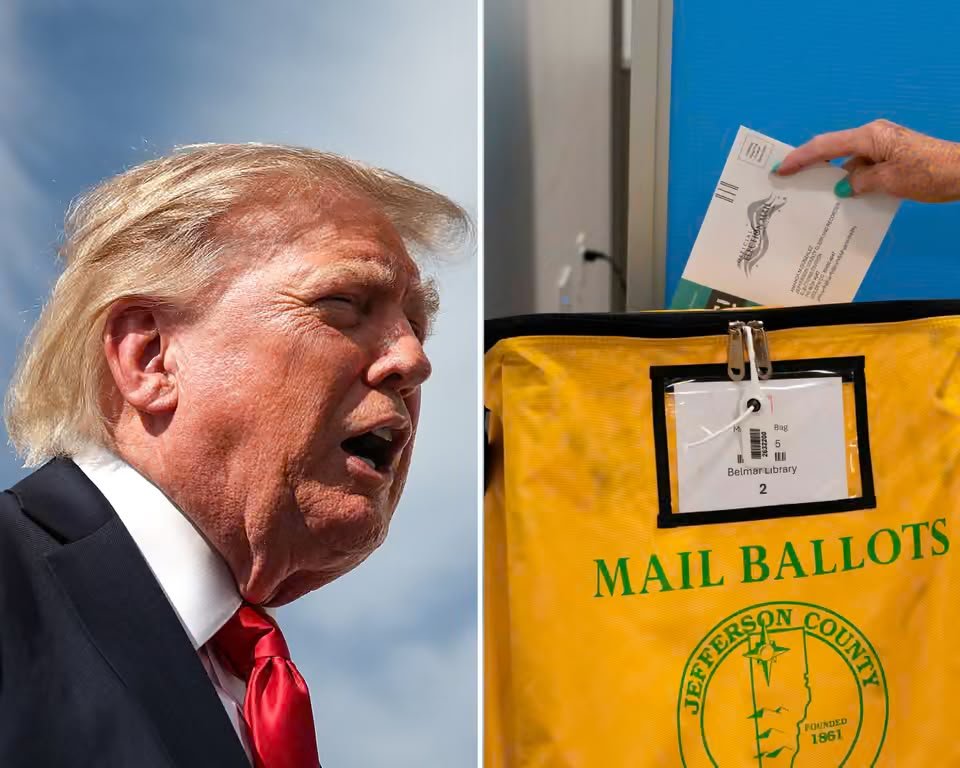
The U.S. Supreme Court has allowed the Trump administration to move forward with new restrictions on mail-in voting ahead of the upcoming midterm elections, clearing a major legal hurdle while challenges to the measures continue in lower courts. The ruling means the voting rules can remain in effect during the election period unless a future court decision overturns them.
The administration argues that the restrictions are intended to strengthen election integrity, improve voter verification, and reduce the risk of fraud in mail-in voting. Supporters say the measures are necessary to increase public confidence in the electoral process, while opponents argue that there is little evidence of widespread fraud in mail voting and that the new rules could discourage voter participation.
Voting rights advocates have warned that the restrictions may disproportionately affect seniors, people with disabilities, military personnel stationed overseas, college students, and rural voters who often depend on mail-in ballots. Several civil rights organizations have already indicated they will continue pursuing legal action, arguing that the measures could create unnecessary barriers for eligible voters.
Election officials across the country are now reviewing the ruling and preparing to implement the updated requirements before the midterm elections. Depending on the state, voters may face stricter identification requirements, tighter deadlines for returning ballots, or additional verification procedures for mail-in votes.
The decision comes at a time when voting laws remain one of the most divisive political issues in the United States. Since the 2020 presidential election, Republican-led states have pushed for stricter election laws, while Democrats and voting rights groups have advocated for expanding access to mail-in and early voting.
Legal experts note that the Supreme Court’s decision does not represent a final judgment on the constitutionality of the restrictions. Instead, it allows the rules to take effect while the broader legal challenge proceeds through the courts. The case is expected to return to the Supreme Court for a final ruling in the future.
With the midterm elections approaching, the ruling is likely to intensify the national debate over election security, voting access, and the balance between preventing fraud and ensuring every eligible American has an opportunity to vote.