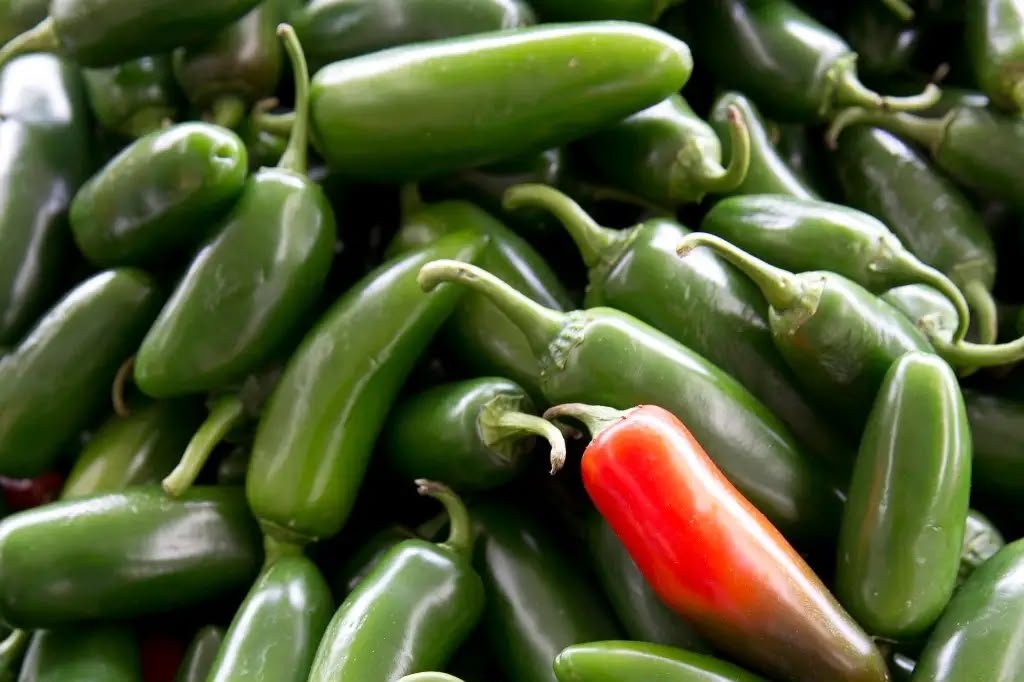
Jalapeño-Linked Salmonella Outbreak Expands Across 27 U.S. States
A Salmonella outbreak linked to contaminated jalapeño peppers has spread across 27 U.S. states, prompting federal health officials to issue a public health warning and intensify efforts to trace the source of the infections. According to the U.S. Centers for Disease Control and Prevention (CDC), at least 345 people have become ill, while 36 have been hospitalized. No deaths have been reported so far.
Investigators have traced the outbreak to jalapeño peppers imported from Sinaloa, Mexico, which were distributed to restaurants, wholesalers, and food service businesses in multiple states. Some of the affected peppers were reportedly supplied to popular Mexican-style restaurant chains, including Chipotle and QDOBA, leading to product recalls and the removal of the peppers from menus as a precaution.
Health officials said many of the infected individuals reported eating foods containing fresh jalapeño peppers before becoming ill. The CDC, in collaboration with the U.S. Food and Drug Administration (FDA) and state health departments, is continuing to investigate the outbreak, identify affected distribution channels, and ensure contaminated products are removed from the market.
Salmonella infection typically causes diarrhea, fever, stomach cramps, nausea, and vomiting, with symptoms usually developing between six hours and six days after consuming contaminated food. While most people recover within a week without specific treatment, infants, older adults, pregnant women, and individuals with weakened immune systems face a higher risk of severe illness and hospitalization.
The CDC is advising consumers to check for any recalled products and to seek medical attention if symptoms become severe or persistent. Restaurants, retailers, and food distributors have also been urged to verify the source of their produce and immediately stop using or selling any jalapeño peppers linked to the outbreak.
Food safety experts say the incident highlights the importance of strict food safety practices throughout the supply chain, including proper handling, storage, and traceability of fresh produce. The investigation remains ongoing, and health officials expect additional cases may be identified as more reports are received from across the country.