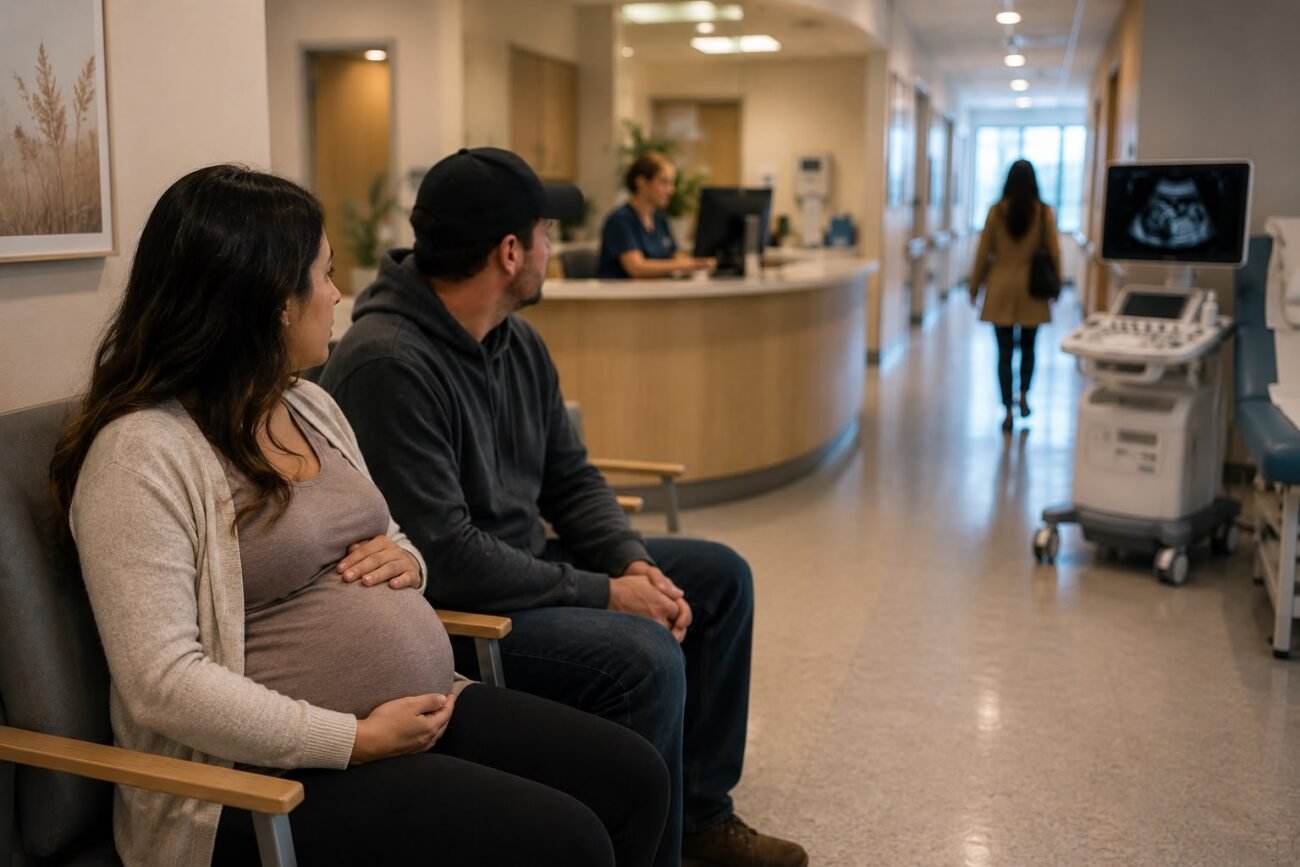
Sonographer Shortage Forces Expectant Ontario Mothers to Travel Hours for Routine Ultrasounds
A growing shortage of sonographers in Ontario is forcing many pregnant women to travel for hours to access routine prenatal ultrasounds, raising concerns about delays in maternal healthcare and increasing stress for expectant families.
Healthcare providers say the shortage has left many hospitals and diagnostic imaging clinics struggling to fill vacancies, resulting in longer wait times and fewer available appointments. In some communities, pregnant women are being referred to facilities located several hours away for standard ultrasound scans that are considered an essential part of prenatal care.
Routine ultrasounds play a vital role in monitoring a baby’s growth, confirming fetal development, and identifying potential complications during pregnancy. Medical experts warn that delays in accessing these scans can increase anxiety for expectant parents and may postpone the detection of health concerns requiring timely intervention.
The Ontario Society of Diagnostic Medical Sonographers has attributed the workforce shortage to increasing demand for diagnostic imaging, an aging workforce, burnout, and challenges in recruiting and retaining qualified professionals. Healthcare leaders say the COVID-19 pandemic further strained the system, with staffing shortages continuing across many regions.
For many expectant mothers, especially those living in rural and northern Ontario, the situation means taking time off work, arranging childcare, and travelling long distances for appointments that would normally be available closer to home. Some families have reported driving two to four hours for a routine scan.
Healthcare advocates are calling on the provincial government to invest in training more sonographers, improve retention through better wages and working conditions, and expand diagnostic imaging capacity to address the growing demand.
Ontario’s Ministry of Health says it is aware of workforce challenges across the healthcare system and continues to invest in recruitment, training, and retention initiatives. However, healthcare professionals argue that additional long-term measures are needed to ensure pregnant women can access timely prenatal care without having to travel significant distances.