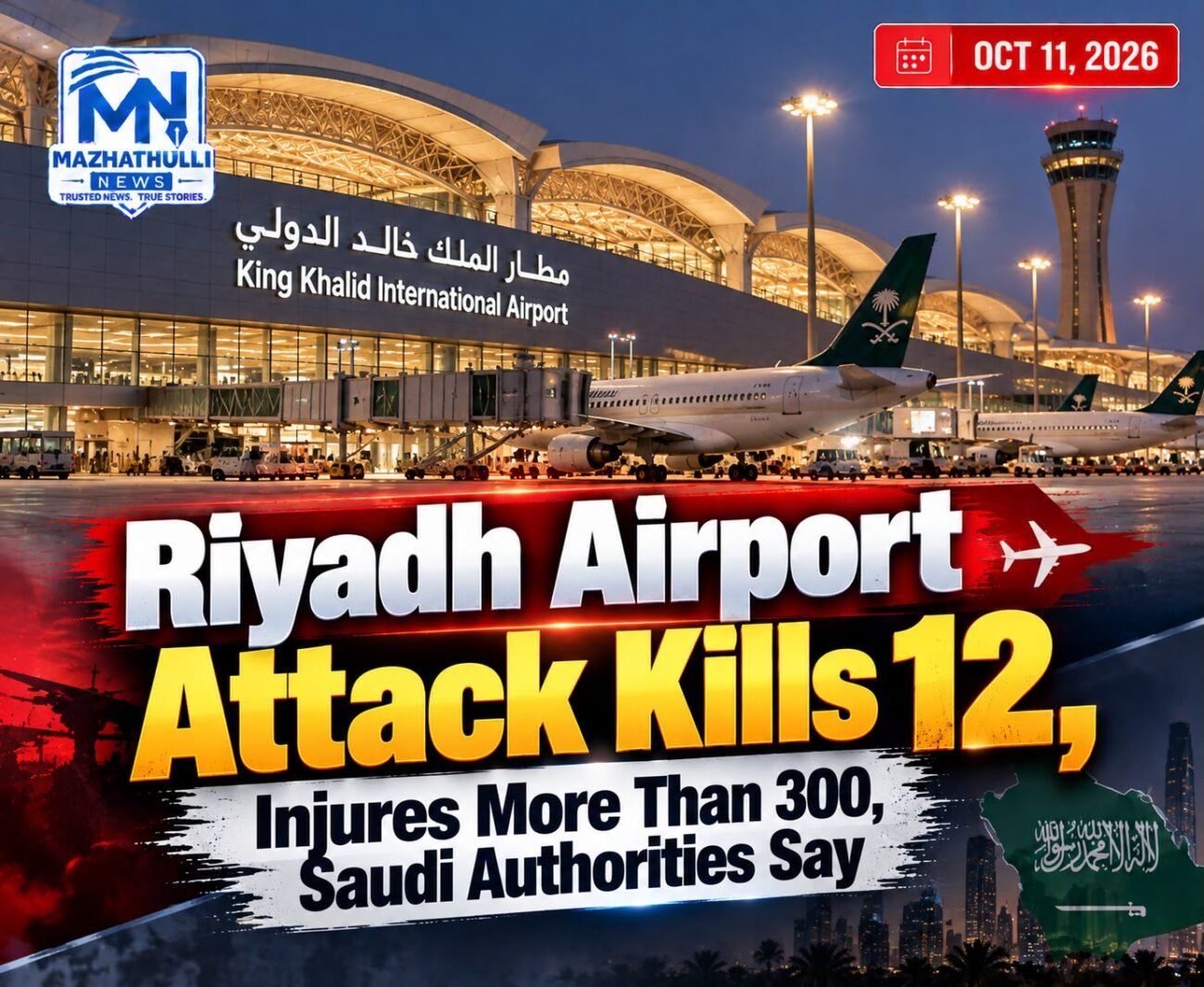
Riyadh Airport Attack Kills 12, Injures More Than 300, Saudi Authorities Say
At least 12 people have been killed and 309 others injured in an attack on King Khalid International Airport in Riyadh, Saudi Arabia, according to the country’s General Authority of Civil Aviation. The attack on Saturday, October 10, marked a major escalation in the conflict affecting the kingdom and disrupted air travel through one of the region’s key aviation hubs.
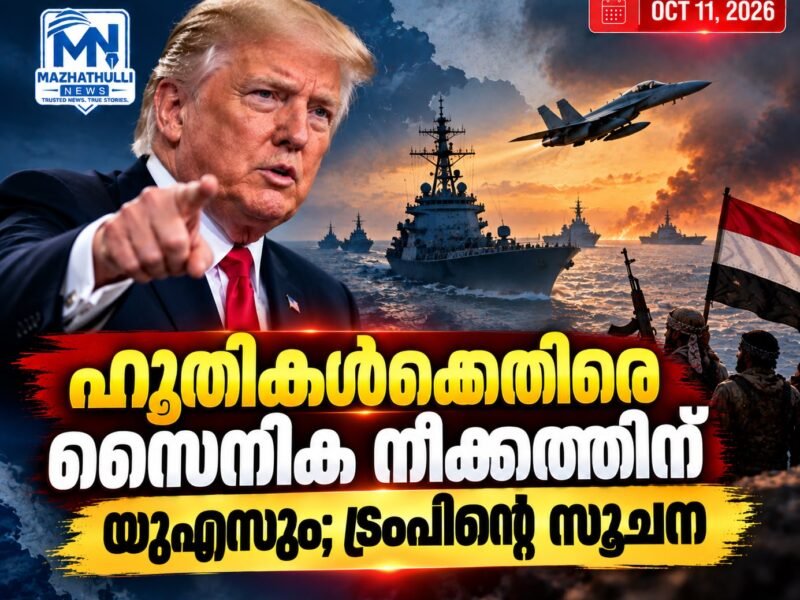
Saudi authorities said the fatalities included four Saudi citizens, two Bangladeshi nationals and one citizen each from the United States, Egypt, Jordan, Syria, Palestine and Sudan. Several of the injured were in critical condition, and hospitals across Riyadh were treating those affected. Emergency services were deployed as authorities assessed the damage and coordinated medical assistance. The strike targeted the airport complex in the Saudi capital, causing damage to airport property and prompting officials to suspend operations temporarily. Passengers faced uncertainty as flights were cancelled or diverted, while authorities worked to establish the extent of the damage and determine when the airport could safely resume normal operations. The attack was the third reported strike on Riyadh’s international airport within a week. Earlier incidents had already raised concerns about the security of Saudi Arabia’s aviation infrastructure. The latest assault has intensified fears that airports and other civilian facilities could face further attacks as the regional conflict widens. Saudi Arabia’s civil aviation authority confirmed the deaths and injuries but did not initially identify the group responsible in its announcement. The Saudi-led coalition fighting in Yemen subsequently blamed the Iran-backed Houthi movement and condemned the attack. The Houthis had claimed responsibility for earlier strikes on the airport, while reports concerning responsibility for the latest incident developed throughout the day. The Saudi-led coalition described the strike as a serious violation of international humanitarian law and warned that it would respond. Any military response could further intensify the conflict between the coalition and the Houthis, whose forces control substantial areas of Yemen. The fighting has escalated following renewed military operations by forces aligned with Yemen’s internationally recognised government and supported by Saudi Arabia. The United States has also expressed concern over the attack. President Donald Trump said Washington was considering whether to join Saudi military operations against the Houthis. Such involvement could widen the conflict and increase the risk of further confrontation involving regional powers. Any decision by Washington would have significant implications for the security situation across the Middle East.
The airport disruption prompted several governments to issue travel and security advisories. The United States, Canada, Britain, Germany and Australia warned their citizens about the security situation and advised them to follow local authorities’ instructions. Travellers were urged to check directly with airlines before heading to the airport, as flight schedules and operating arrangements remained subject to change. The attack has also raised concerns about the safety of international travellers and airline employees. Major airports are essential to civilian travel, cargo transport and emergency operations, making any attack on them a serious threat beyond the immediate casualties. The presence of passengers and workers at the airport has added to calls for civilian infrastructure to be protected from military operations. Saudi Arabia is one of the world’s largest oil exporters, and the widening conflict has raised concerns about the potential effects on energy markets, shipping routes and international trade. Although the immediate impact of the airport attack was on aviation, further strikes against transport or energy infrastructure could create broader economic consequences. The region is strategically important to global oil supplies and commercial shipping. The renewed violence is also unfolding against the backdrop of Yemen’s prolonged humanitarian crisis. Years of conflict have displaced millions of people and damaged essential services, leaving many communities dependent on humanitarian assistance. An expanded regional conflict could make aid delivery more difficult and expose additional civilians to violence. Saudi authorities continued to assess the damage and coordinate the response following the attack. The incident has intensified international concern over the widening conflict, with governments monitoring developments and considering measures to protect their citizens and regional interests. The immediate priorities remain medical treatment for the injured, the safety of airport facilities and the restoration of flight operations when conditions permit.